




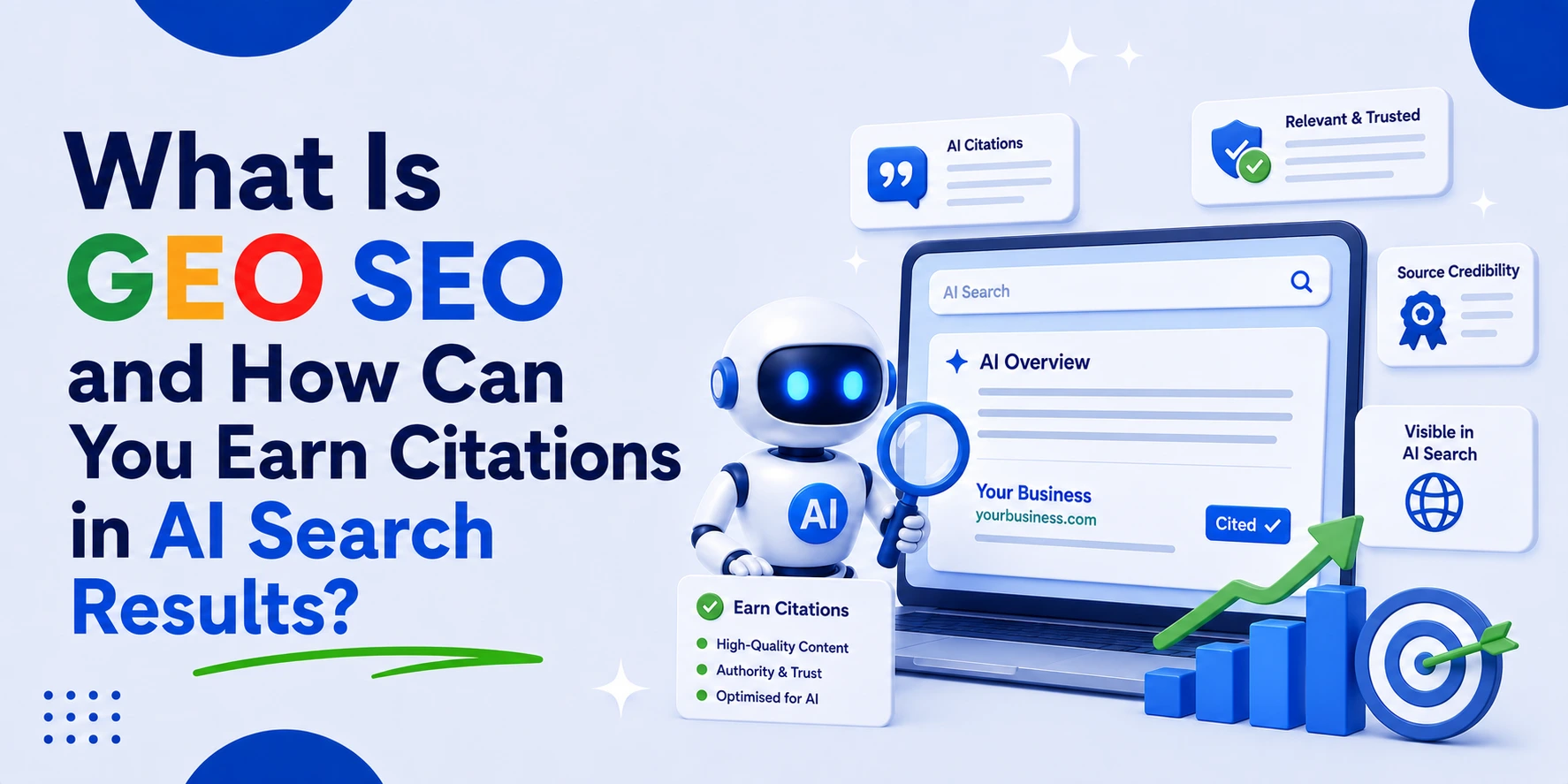
GEO SEO is the process of creating and organising content so that search platforms can understand, trust and cite it when generating answers. Unlike traditional SEO, which focuses on improving rankings, GEO SEO aims to make your content part of the answer itself.
As search continues to evolve, people now expect quick and accurate responses instead of browsing through multiple web pages. Search platforms meet this demand by combining information from trusted sources into a single response.
This shift has made generative engine optimisation an essential part of modern content strategies. In this guide, you will find GEO SEO explained in simple terms, learn how to get cited by AI search engines, and discover practical ways to improve AI citations, AI search snippets, and your overall online visibility.
Want Results Like These for Your Business?
Get a free site analysis from BThrust Malaysia and find out what's holding your SEO and traffic back.
What Is GEO SEO?
GEO SEO, also known as generative engine optimisation, is the process of creating and organising content so that search platforms can understand, trust and reference it when producing answers.
Traditional SEO aims to improve rankings in search results. GEO SEO focuses on helping your content become part of the answer itself.
That means your pages should:
- Answer common questions clearly
- Cover one topic in depth
- Present facts in a logical order
- Show expertise and trust
- Stay accurate and up to date
When these elements work together, your content has a better chance of being selected as a trusted source.
Why Does GEO SEO Matter?
GEO SEO matters because it helps your content gain visibility when search platforms present direct answers instead of a list of links.
This changes how users discover brands and businesses. Instead of clicking through many pages, they may find what they need in one response. That is why answer engine optimisation has become an important part of a modern content strategy.
When your website earns AI citations, you may gain:
- Better visibility across search experiences
- More trust from readers
- More qualified website visitors
- Stronger brand authority
- Better long-term organic growth
The goal is no longer only to rank. The goal is to become a trusted source.
How Do Search Platforms Choose Which Content to Cite?
Search platforms tend to cite content that is clear, accurate, well organised, relevant and supported by reliable information.
Understanding GEO SEO explained starts with knowing what search platforms value. They tend to prefer content that is clear, accurate, useful and easy to organise.
Clear and Simple Content
Information becomes easier to understand when people use simple language to explain it. People should choose basic words instead of complicated language when they need to explain things only.
Accurate and Reliable Information
All facts require precise accuracy and dependable verification sources, which should be used at all times. People start to lose faith when they encounter information that seems outdated or lacks proper proof.
Well-Structured Pages
Content that contains headings together with lists and tables and short paragraphs enables readers to understand it better.
Comprehensive Topic Coverage
Answer the main question first, then explain related points. The content should not include any unrelated information that exists purely to extend the document length.
Fresh and Updated Content
Review important pages and update them when facts, trends, or examples change.
The combination of these features creates an improved user experience which boosts your chances to get found in AI search snippets.
How Can You Get Cited by AI Search Engines?
Many businesses ask how to get cited by AI search engines. There is no single shortcut. Citations come from useful, trusted, and well-structured content.
Answer Real Search Questions
Begin your content development process by identifying the questions which your target audience actively searches for. Each webpage should address a single specific problem which needs a solution. Writers should refrain from presenting too many different subjects within one article.
Focused content is easier for readers to follow and easier for search systems to understand.
Place the Main Answer First
The primary answer needs to appear at the beginning of the page. After that, explain the details with examples, steps, and supporting information. The answer-first structure enables AI systems to generate superior citation results.
Use Clear Headings
Good headings guide both readers and search systems. Use H2 and H3 headings to divide the article into clear sections. Each section should answer one specific question.
Build Topic Authority
One article rarely covers everything. Create related articles around the same subject and connect them with internal links. For example, you can link to resources such as “How to rank in AI Overviews” and the “Generative Engine Optimisation Guide” to help readers explore related topics in more detail. This also strengthens your topical authority and improves the connection between your content.
What Is the Best Content Structure for Generative Search?
One of the most important parts of content structure for generative search is clear organisation. A well-structured article is easier to scan, read, and understand.
Start with a Clear Introduction
The introduction should tell readers what they will learn. It should also answer the main question without a long delay.
Use Descriptive Headings
Use headings that reflect the questions people ask. Question-based headings make the page easier to scan and help each section stay focused.
Use Lists Where They Add Value
Bullet points are useful for steps, benefits, mistakes, and key takeaways. Do not use lists when a short paragraph would be clearer.
Present Information in Tables
Tables work well for comparisons, features, options and differences. They can make complex information easier to understand.
Include Helpful FAQs
Frequently asked questions can cover related concerns in a simple format. Each answer should be direct and useful.
End with a Clear Conclusion
The conclusion should summarise the main points and guide readers towards the next useful action. Strong content structure for generative search benefits both users and search platforms.
What Are the Most Important GEO SEO Best Practices?
The most effective GEO SEO practices include publishing original content, demonstrating expertise, writing clearly, updating content regularly, and building strong internal links.
Following proven GEO SEO best practices can improve your chances of earning citations.
Create Original and Valuable Content
You need to share practical advice along with first-hand knowledge, case studies, research, and useful examples. The content should not duplicate information already available on other websites. Readers will develop trust in your webpage when you create unique content that they will remember.
Write for People First
Write naturally and directly. Avoid technical terms unless your audience understands them. Simple language improves clarity and keeps readers engaged.
Demonstrate Expertise
Present your knowledge about each subject through clear explanations that show your expertise. The use of examples will help readers grasp the main points of the content. All claims should maintain their original content while proving their correctness. The system will reach better AI citation optimisation results through its continuous operation, which keeps running.
Keep Content Up to Date
Review older pages regularly. Replace outdated facts, add fresh examples, and improve weak sections. A useful page should remain valuable after publication.
Strengthen Internal Linking
Internal links should guide readers to relevant content instead of unrelated pages. If your website targets specific regions, you can naturally connect this guide with articles about AI SEO in Malaysia. This helps users discover more useful information while strengthening your overall content strategy.
Which GEO SEO Mistakes Should You Avoid?
Avoid delaying answers, publishing thin content, using vague headings, covering too many topics, neglecting updates, and overusing keywords.
Many websites lose citation opportunities because of basic content problems.
Delaying the Main Answer
Long introductions can frustrate readers. Answer the main question early, then explain it in more detail.
Using Vague Headings
Headings such as “Overview” or “More Information” do not tell readers what the section covers. Use clear and descriptive headings that explain the topic.
Publishing Thin Content
Short content is not always weak, but every page should provide enough value to answer the question. Avoid publishing pages that offer only general advice.
Covering Too Many Topics
A page should have one clear focus. Create separate pages for subjects that need their own explanation.
Ignoring Existing Content
Outdated pages can reduce trust. Review them regularly and update facts, links, and examples to keep them relevant.
Overusing Keywords
Keyword stuffing makes content harder to read. Use each keyword naturally where it adds value to the sentence.
How Can You Measure GEO SEO Success?
Success goes beyond traditional rankings. You need to track how often your content appears, how users engage with it, and whether your brand gains more search visibility. Useful signs include:
- Growth in organic traffic
- More branded searches
- Better page engagement
- Higher click-through rates
- More mentions across search results
- Increased visibility in generated answers
These signals can show whether your content is becoming a more trusted source.
Conclusion
GEO SEO has evolved into a vital element that all successful content strategies need to succeed. The traditional SEO methods help users find your website, but generative engine optimisation works to produce valuable content that systems will use to answer questions.
The key is to create accurate, well-structured and useful content that solves real problems. The three main elements that GEO SEO best practices need for success include AI citation optimisation, improvement, and content structure optimisation for generative search results.
You need to keep your content fresh while establishing your website as an expert in specific subjects and creating content that helps your target audience. Your content needs to deliver value while building credibility because this will help you excel in modern search results.