




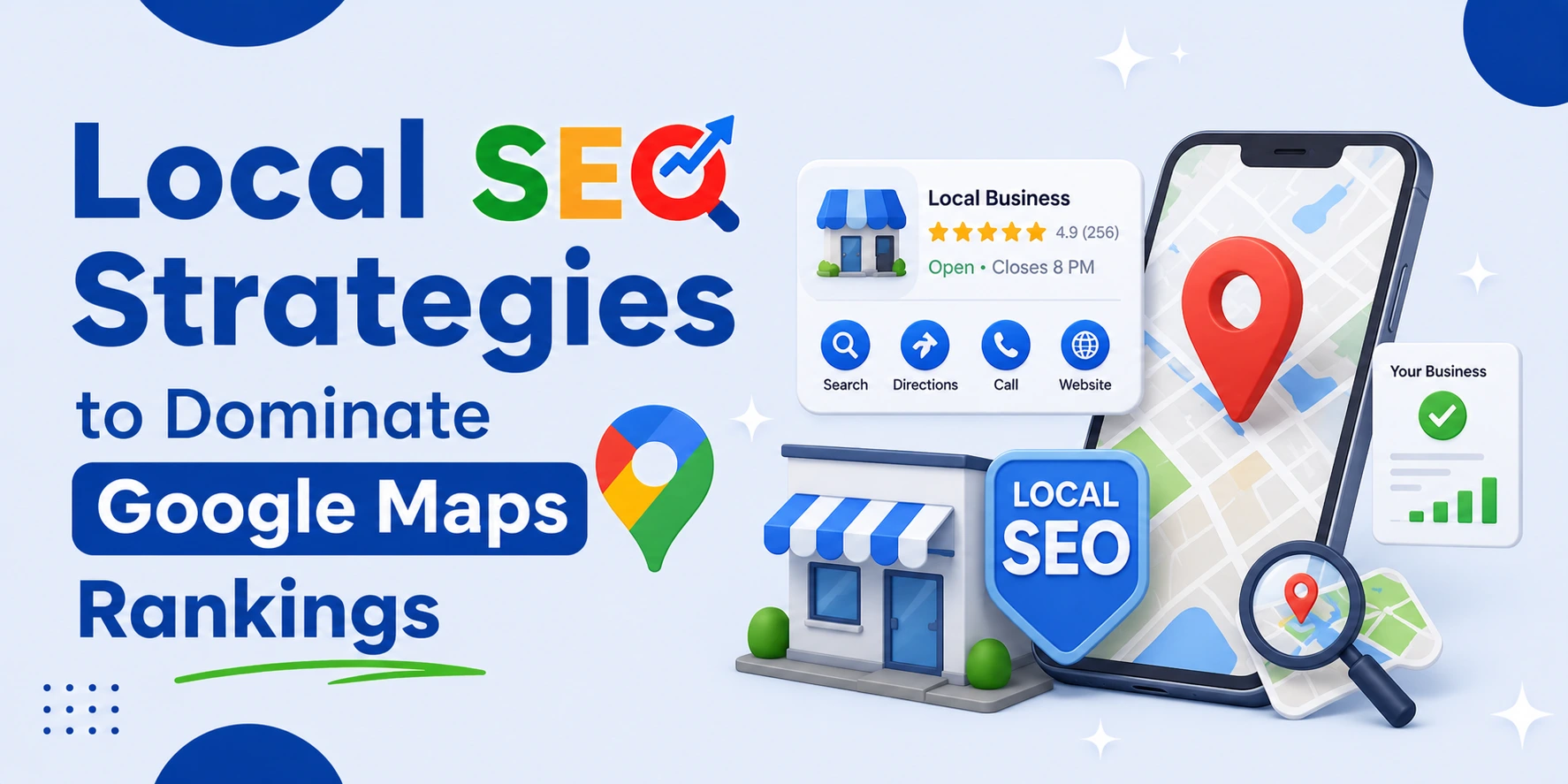
Local SEO strategies help businesses improve their visibility in local search results and Google Maps. By optimising business information, collecting reviews, creating local content, and building trust signals, businesses can attract more nearby customers and increase enquiries, website visits, and sales.
If you run a local business, showing up on Google Maps can make a huge difference. When people search for products or services in their area, they often choose businesses that appear at the top of local results.
The challenge is that many businesses compete for the same space.
In this guide, you will learn practical ways to improve your visibility and strengthen your Google Maps SEO efforts.
Want Results Like These for Your Business?
Get a free site analysis from BThrust Malaysia and find out what's holding your SEO and traffic back.
Why Google Maps Rankings Matter
Several customers perform online research on a regular basis before they decide to enter any business establishment.
People search for local businesses while they read customer feedback and verify company information to make their final choice. Local search results provide businesses with various advantages that boost their visibility in the market.
- Increased visibility
- More website visits
- More phone calls
- More foot traffic
- Better brand trust
- Higher conversion rates
For many businesses, local search optimisation is one of the most effective ways to connect with nearby customers who are ready to take action.
Also Read: How Local SEO Can Drive Customers to Your Business
1. Complete Every Part of Your Business Profile
One of the most important local SEO strategies is ensuring that your business profile contains complete and accurate information.
Include details such as:
- Business name
- Address
- Phone number
- Website
- Opening hours
- Business category
- Services offered
Many businesses fill in the basics and stop there. However, complete profiles often perform better because they provide more information for search engines and customers. Make sure your information stays consistent across all online platforms.
Why It Matters
Accurate information improves trust and helps search engines understand your business location and services.
2. Choose the Right Business Categories
Search engines use categories to identify the operational activities of your business. You need to pick your main category, which represents your primary service. You should select supplementary categories that match your business activities after selecting your main category.
For example, A plumbing business would provide emergency repair services as an additional service that they offer to their clients. The search results will show better visibility when relevant categories match the search terms.
Common Mistakes to Avoid
Do not choose categories based on search volume, but select categories that accurately match your services.
3. Optimise Your Website for Local Searches
Your website plays a major role in local business SEO. Search engines use website content to confirm the information associated with your business profile. Try to include your location naturally throughout your website, especially on:
- Home page
- Service pages
- Contact page
- About page
Create content that reflects the areas you serve and the services you provide.
Add Clear Contact Information
Your name, address, and phone number should be easy to find on every page. Consistency helps strengthen your local search signals.
4. Create Dedicated Location Pages
Your business needs location pages because these pages will boost your visibility when you serve different towns and cities.
Each page must offer relevant details about the services that customers can obtain within the particular area being discussed. Include:
- Local service information
- Area-specific content
- Customer testimonials
- Contact details
Avoid copying the same content across multiple pages.
Focus on Relevance
Search engines value pages that provide genuine value to users in a particular location.
5. Collect More Customer Reviews
Customer reviews serve as the main factor that determines how business websites show up in local search results.
The presence of positive reviews creates customer trust, which directly shapes how people choose their purchasing options.
After customers finish their purchases or services, they should receive encouragement to provide their genuine feedback about their experience.
How Reviews Support Rankings
Reviews help search engines understand:
- Business quality
- Customer satisfaction
- Local relevance
- Business popularity
A steady flow of genuine reviews often supports stronger Google Maps SEO performance.
Respond to Reviews
Reply to both positive and negative reviews. Professional responses show that you care about customer experience and engagement.
6. Use Local Keywords Throughout Your Content
Keywords help search engines understand your business and services. Include local phrases naturally throughout your content.
Examples include:
- Service plus location
- Industry plus location
- Local service terms
Avoid stuffing keywords into every paragraph.
Instead, write naturally and focus on providing useful information.
Keyword Placement Tips
Use keywords in:
- Page titles
- Headings
- Meta descriptions
- Service pages
- Blog content
This helps improve local search optimisation while maintaining readability.
7. Build Consistent Business Citations
A citation is any online mention of your business information. This includes:
- Business directories
- Local listings
- Industry websites
- Community websites
Your business details should match across every platform.
Check for Errors
Incorrect phone numbers, addresses, or business names can create confusion and weaken local signals. Review your listings regularly to ensure accuracy.
Read Also: SEO in Kuala Lumpur: How Local Brands Win Top Rankings
8. Publish Helpful Local Content
Content remains one of the most effective local SEO strategies available today. Helpful content demonstrates expertise and builds trust. Topics may include:
- Local industry news
- Community events
- Customer guides
- Frequently asked questions
- Seasonal advice
Why Local Content Works
It helps search engines connect your business with specific locations and services. It also gives customers a reason to visit your website.
9. Add Local Business Schema Markup
Schema markup helps search engines understand your business information. It provides additional details about:
- Business location
- Contact information
- Opening hours
- Services
Although visitors do not see this information directly, it helps search engines process your data more effectively.
Keep Information Updated
Any changes to your business information should also be reflected in your structured data.
10. Improve Website Speed and Mobile Experience
People in their local area tend to use mobile devices for their search activities. Travellers, along with shoppers and people who need quick answers, usually conduct their searches. The website’s slow speed results in missed business potential. Try to focus on:
- Fast loading pages
- Mobile-friendly design
- Clear navigation
- Easy contact options
User Experience Matters
Search engines aim to present websites that deliver excellent user experiences. A better user experience often supports stronger rankings.
11. Earn Local Backlinks
Backlinks remain an important ranking factor. A backlink is a link from another website to your website. Local backlinks can come from:
- Community organisations
- Local publications
- Business associations
- Event sponsorships
- Industry partners
Focus on Quality
A few trusted local links often provide more value than many low-quality links. Strong local connections can strengthen your local business SEO efforts.
12. Keep Business Information Updated
Business details change over time. You may update:
- Opening hours
- Services
- Contact details
- Business descriptions
Keeping information current helps customers and search engines trust your business.
Regular Maintenance Matters
Review your business profile and website information at least once every few months. Small updates can help maintain strong local visibility.
13. Use High-Quality Photos
Photos help customers understand your business before visiting. Include images of:
- Products
- Services
- Team members
- Premises
- Completed projects
Fresh photos signal activity and help improve customer engagement.
Visual Content Builds Trust
Customers often feel more comfortable choosing businesses with authentic images.
14. Track Performance and Adjust Your Strategy
Successful businesses monitor results and make improvements over time. Track metrics such as:
- Website traffic
- Phone calls
- Direction requests
- Enquiries
- Conversions
This helps identify which local SEO strategies deliver the best results.
Focus on Long-Term Growth
Local search success comes from consistent effort rather than quick fixes. Small improvements often create significant gains over time.
How to Rank on Google Maps Fast
Many business owners ask, “How to rank on Google Maps fast?” While there is no instant solution, you can improve visibility more quickly by focusing on key areas:
- Complete your business profile.
- Ensure information accuracy.
- Collect genuine customer reviews.
- Optimise website content for local searches.
- Build consistent citations.
- Publish helpful local content.
- Earn quality local backlinks.
These actions help strengthen the signals that influence local rankings.
Understanding the ROI of Local SEO Strategies
One reason businesses invest in local search optimisation is the potential return on investment. The ROI of local SEO strategies often comes from attracting customers who already have strong purchase intent. Benefits may include:
- Lower marketing costs
- Higher conversion rates
- Increased enquiries
- More in-store visits
- Improved customer trust
Unlike short-term promotional campaigns, local SEO can continue generating value over time.
Conclusion
Overall, Strong Google Maps visibility does not happen by chance. The achievement of this goal requires continuous work together with correct data, excellent content and satisfied customer service interactions.
Local SEO strategies that deliver the best results help customers find the required information while showing they can trust the business and that it remains relevant to their needs.
The process of improving Google Maps SEO requires two different methods that need to operate at the same level of consistency. Maintain precise information, ask customers to share their experiences, develop useful materials, and build your business relationships with local customers.
The actions will bring better business results, which will boost your business’s visibility to local customers who search for your products or services.